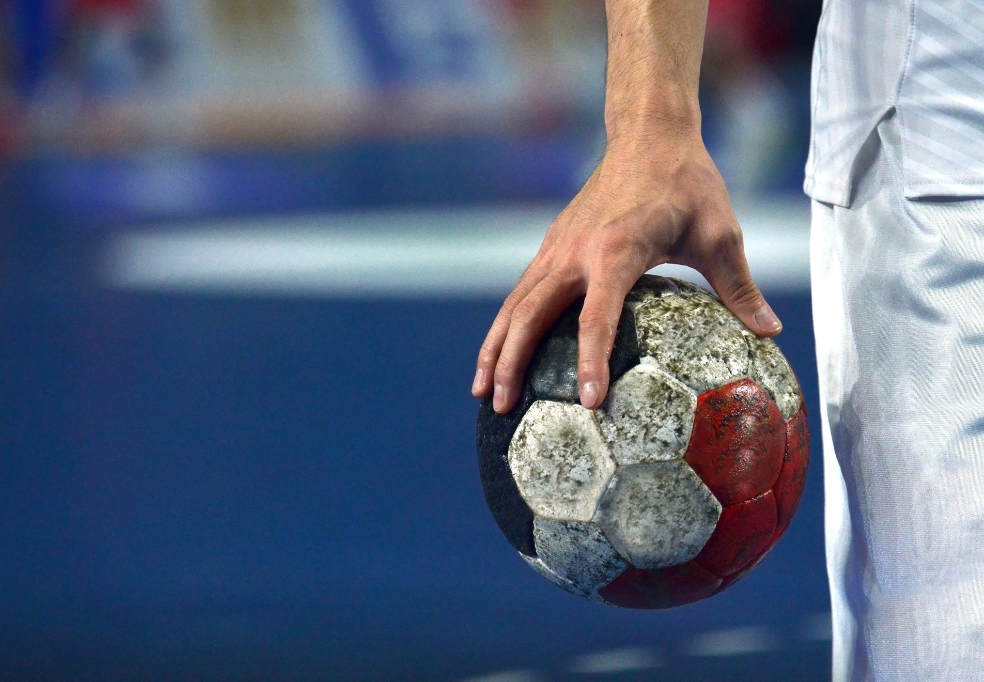
Handball has its roots in various ball games played across Europe during the 19th century. The modern version of the sport began to take shape in the early 20th century. Initially, it was played outdoors on a large field and was known as “field handball.”
In 1917, Danish teacher Holger Nielsen developed a set of rules that laid the foundation for modern handball. The sport quickly grew in popularity, particularly in Germany, where it transitioned indoors and became known as “indoor handball.”
The first international handball tournament was held in 1925 in Berlin, Germany, with teams from several countries participating. Handball made its Olympic debut in 1936 in its outdoor format, while the indoor version debuted at the 1972 Munich Olympic Games.
The International Handball Federation (IHF) was established in 1946 and has since overseen the global development of the sport through World Championships and various continental events.
Notable Success Stories in Handball
The Rise of European Dominance
European countries such as France, Germany, Denmark, and Spain have dominated handball on the world stage. France’s national team has won multiple World Championships (1995, 2001, 2009, 2011, 2015) and Olympic gold medals (2008, 2012).
German Victory in 2007
Germany solidified its status as a powerhouse by winning the Men’s World Handball Championship in 2007. As hosts, they defeated Poland in the final to claim the title.
Norway’s Women’s National Team
Norway’s women’s national team has been exceptionally successful, winning gold at the 2008 and 2010 European Championships, the 2015 World Championship, and the 2020 Olympic Games.
Spain’s Success
Spain’s men’s national team has achieved significant success in recent years, winning the World Championship in 2013 and 2018, and taking gold at the 2020 Olympic Games.
Legends of the Game
Players such as Mikkel Hansen (Denmark), a multiple-time World Handball Player of the Year, and Nikola Karabatic (France), a two-time Olympic and World Champion, have left a lasting legacy in the sport.
Rules of Handball
Handball is played according to standardized rules set by the International Handball Federation.
Team Composition
Each team has seven players: six field players and one goalkeeper. Substitutions are allowed throughout the match.
Match Duration
A standard match consists of two 30-minute halves with a 10-minute halftime break.
Scoring
A goal is awarded when the ball fully crosses the goal line between the posts and under the crossbar. Goals can be scored from anywhere on the court except within the 6-meter goal area.
Dribbling and Passing
Players can hold the ball for a maximum of three seconds and take up to three steps without dribbling before they must pass or shoot.
Free Throws
Free throws are awarded for fouls and must be taken from the spot of the infraction, with defenders standing at least three meters away.
Penalty Throws
A penalty throw from seven meters is awarded for serious fouls in the goal area and involves a one-on-one situation with the goalkeeper.
Fouls
Moderate physical contact is permitted, but pushing, hitting, or holding opponents is prohibited. Serious fouls can result in free throws, penalties, or player suspensions.
Goalkeeper Rules
The goalkeeper can use any part of the body to defend the goal but cannot leave the goal area while holding the ball.
Stay Updated on Handball
To keep up with handball news, tournaments, and developments, you can visit the following websites:
- International Handball Federation (IHF): ihf.info
- Handball-World: handball-world.news
- Euro Handball: eurohandball.com
- Handball365: handball365.com
- Handball Planet: handball-planet.com
- World of Handball: worldofhandball.com
Explore More About Sports and Our Services
If you enjoyed learning about handball, you can explore more content on different sports and discover the range of services we offer. Visit our homepage, learn more about us, or contact us to get in touch.
